Author: admin

Your EV’s Lithium Battery Needs Repairs? Don’t Do It Yourself

Understanding the Complexity of Lithium Batteries

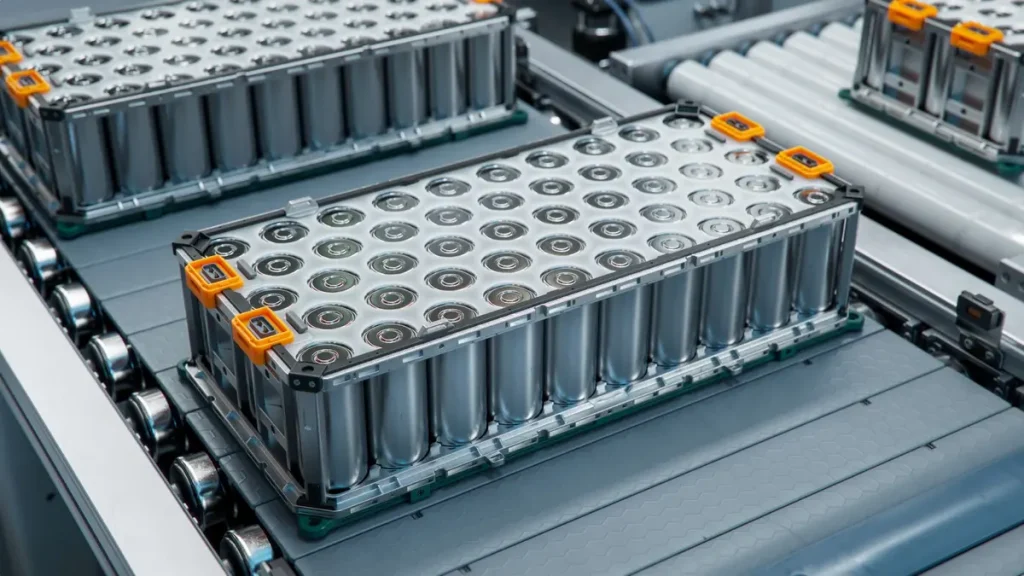
Electric Vehicles (EVs) have revolutionized the automotive industry, offering sustainable and efficient transportation. Central to their functionality is the lithium battery, which provides the necessary power for your EV. Unlike conventional car batteries, lithium batteries are highly complex and sophisticated. This complexity makes them challenging to repair and requires a deep understanding of their chemistry, technology, and safety protocols.
Risks Associated with DIY Battery Repairs

Attempting to perform lithium battery repairs on your own can be fraught with risks. These batteries are sensitive to mishandling and can release hazardous chemicals or catch fire if damaged. Incorrect repairs can lead to short-circuiting, overheating, or even exploding batteries, posing severe dangers to both the vehicle and personal safety. Additionally, DIY repairs often void warranties, which can be costly should professional intervention become necessary later.

Why Professional Expertise is Crucial

When it comes to a lithium battery repair, professional expertise is not just beneficial—it’s essential. Certified technicians have the training and equipment required to safely and effectively repair or replace lithium batteries. They adhere to strict safety standards and use specialized tools to manage the high voltage and energy density of these batteries. Their qualifications ensure that the repairs will restore your battery’s functionality without compromising safety.

The Role of Advanced Diagnostic Equipment

Modern EVs come equipped with intricate battery management systems that monitor the health and performance of lithium batteries. Diagnosing issues within these systems often requires advanced diagnostic equipment. Professional repair facilities have access to such technology, enabling them to accurately pinpoint problems and apply the correct fixes. This precision reduces the risk of further damage and extends the life of your battery.

Long-Term Benefits of Professional Repairs

Investing in professional lithium battery repairs has long-term benefits for both your EV and your peace of mind. Proper repairs can significantly extend the battery’s lifespan, enhancing the overall performance and efficiency of your vehicle. Moreover, professional technicians provide warranties on their work, offering you protection and reassurance should any issues arise post-repair. In the long run, this can save you substantial costs compared to the potential expenses of failed DIY attempts.

Safety First: Always Choose Professional Repairs

The intricate nature and inherent risks associated with lithium battery repairs makes it important to seek professional assistance. By doing so, you ensure the safety, reliability, and longevity of your EV’s power source. Trusting certified technicians to handle repairs protects you from the hazards of DIY attempts and guarantees that your EV remains in optimal condition, ready to deliver the sustainable performance you depend on.
How To Clear Error Codes In A Car

Understanding the Check Engine Light

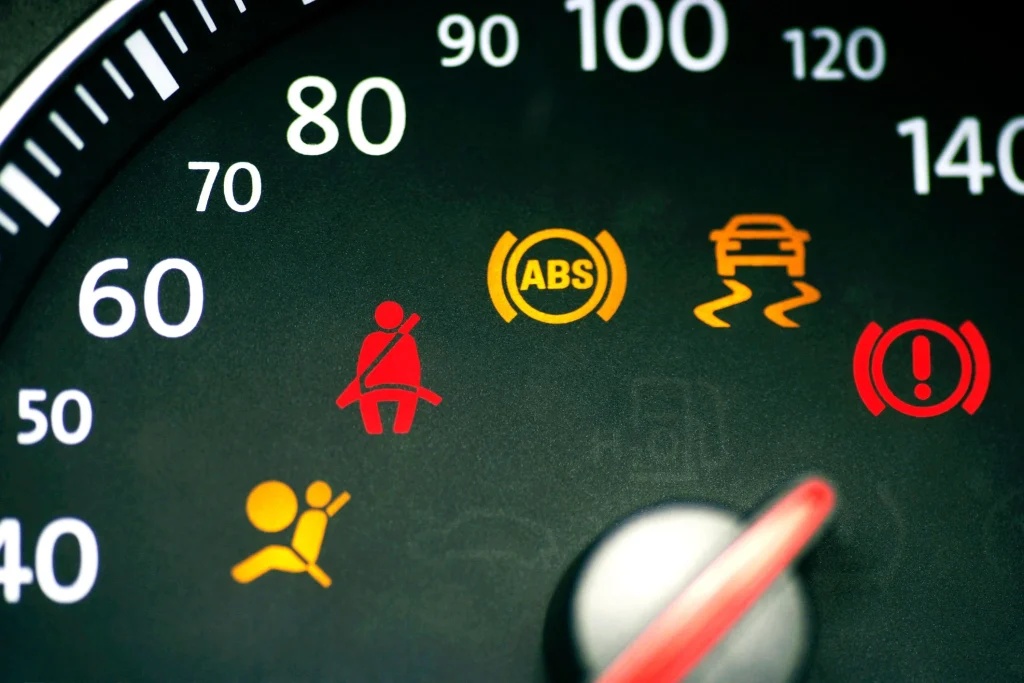
When the check engine light illuminates on your dashboard, it signals that your vehicle’s onboard diagnostics system has detected an issue. These issues can range from minor to serious. The error codes are generated and stored in the vehicle’s computer system, making it easier to identify the problem. Clearing these codes is essential to ensure that you’re accurately addressing current issues, not just masking them.

Using an OBD-II Scanner: The Basics

An On-Board Diagnostics II (OBD-II) scanner is a crucial tool for diagnosing and clearing an error code. Most modern vehicles come with an OBD-II port located under the dashboard. To begin, plug the scanner into this port and turn on your vehicle. Follow the prompts on the scanner to read the stored error code. This will give you a better understanding of the issues detected by your vehicle’s computer system, enabling you to either fix the problems yourself or seek professional help.

Steps to Clear the Error Code

Once the issues causing the error code is resolved, you can proceed to clear them from the vehicle’s computer system using the OBD-II scanner. Here’s a step-by-step guide:

  • Plug in the OBD-II scanner: Connect it to the vehicle’s OBD-II port while the engine is off.
  • Turn on the ignition: Switch the vehicle to the “run” position without starting the engine.
  • Read the error code: Navigate through the scanner’s menu to the option that reads the error.
  • Clear an error code: Select the option to erase or clear codes. This will reset the vehicle’s computer system, turning off the check engine light.

Always remember that clearing codes is different from fixing the issue. Ensure you address the underlying problems to prevent future errors.

Disconnecting the Battery: Another Method

If an OBD-II scanner is not available, disconnecting the vehicle’s battery is another way to clear an error code. Here’s how to do it:

  • Turn off the vehicle: Ensure the engine is off and the key is removed.
  • Disconnect the battery: Use a wrench to remove the negative battery cable. Leave it disconnected for about 15 minutes.
  • Reconnect the battery: Attach the negative battery cable back to the terminal.

By disconnecting the battery, you reset the vehicle’s computer system. Similar to using an OBD-II scanner, ensure that the underlying issue is resolved before relying on this method.

Clearing error codes is a manageable task with the right tools and knowledge. Whether using an OBD-II scanner or disconnecting the battery, always prioritize resolving the underlying issues. When in doubt, seeking professional help can ensure thorough and safe vehicle maintenance.

Do Cars Have Electronic Powertrains?

Understanding the Concept of an Electronic Powertrain

The term powertrain refers to the mechanisms in a vehicle that generate power and deliver it to the road surface. Traditionally, this encompasses the engine, transmission, driveshafts, differentials, and the final drive. But with the rise of electric vehicles (EVs), the landscape of automotive design has transformed significantly. Electronic powertrains are becoming integral to modern cars, offering a blend of efficiency, reduced emissions, and enhanced performance.

The Components of Electronic Powertrains

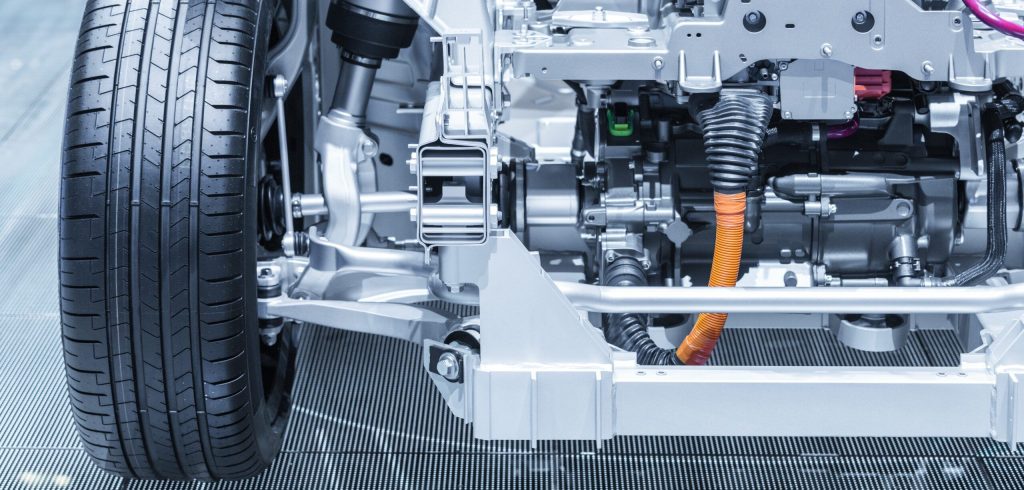
An electronic powertrain consists of several sophisticated components: electric motors, a battery pack, a power inverter, and a controller. The electric motor replaces the internal combustion engine, converting electrical energy from the battery pack into mechanical motion. The power inverter translates DC power from the battery into AC power, which the electric motor uses to drive the vehicle. The controller manages the power flow and ensures optimal performance and efficiency. Each component works in harmony to deliver seamless acceleration and deceleration without the traditional mechanical complexities of internal combustion engines.

Advantages of Adopting Electronic Powertrains

Electronic powertrains offer numerous advantages over their traditional counterparts. One of the most notable benefits is the elimination of tailpipe emissions, making electric vehicles environmentally friendly. Additionally, they deliver instant torque, providing a smooth and rapid acceleration experience. The simplified mechanical design of EVs reduces maintenance needs and enhances reliability, eliminating the need for oil changes, exhaust system repairs, and more. Furthermore, the regenerative braking system captures kinetic energy during braking, converting it back into electrical energy to recharge the battery, thus extending the vehicle’s range.

Challenges of Electronic Powertrain Implementation

Despite the benefits, several challenges hinder the widespread adoption of electronic powertrains. One major obstacle is the limited range of electric vehicles compared to traditional gasoline-powered cars. Although battery technology is advancing, achieving comparable range remains a challenge. Additionally, the availability of charging infrastructure is crucial; without adequate public charging stations, long-distance travel can be impractical. The initial cost of EVs can also be a deterrent for some consumers, although long-term savings on fuel and maintenance can offset this expense.

Future Outlook for Electronic Powertrains

As technology advances, the future of electronic powertrains looks promising. Continuous improvements in battery technology are expected to enhance energy density, driving range, and charging times. Governments worldwide are incentivizing the adoption of electric vehicles through subsidies, tax breaks, and investments in infrastructure. Furthermore, automotive manufacturers are expanding their EV lineups, offering more options across various price ranges to appeal to a broader audience. The shift towards electronic powertrains is likely to accelerate, paving the way for a more sustainable automotive future.

Are EVs Harder Or Easier To Repair Than Gas-Powered Cars?

Simplified Powertrains in Electric vehicles Offer Advantages

Electric vehicles (EVs) have a significantly simpler powertrain compared to their gas-powered counterparts. Unlike traditional internal combustion engines (ICEs), which have a myriad of moving parts including pistons, crankshafts, and timing belts, Electric vehicles typically feature a streamlined powertrain consisting of an electric motor, a battery pack, and an inverter. This reduction in complexity translates to fewer components that can wear out or malfunction, potentially making repairs easier and more straightforward.

EVs Require Specialized Knowledge and Training

While the powertrains in Electric vehicles are simpler, the nature of the repairs they require can be quite different. Electric vehicles rely heavily on advanced electronics and software, which demands specialized knowledge and training that may not be as prevalent among traditional mechanics. The high-voltage systems present in Electric vehicles also introduce unique safety concerns, necessitating special equipment and protocols that can add layers of complexity to the repair process.

Cost of Repairs and Availability of Parts

The cost of repairs for Electric vehicles can be a point of contention. On one hand, fewer moving parts and a simpler powertrain might suggest lower maintenance costs over the vehicle’s lifetime. However, the specialized components that are unique to electric vehicles, such as battery packs and electric motors, can be expensive to replace or repair. Additionally, because EVs are a relatively new technology, the availability of parts may not be as widespread, potentially resulting in longer wait times for repairs.

Diagnostic and Troubleshooting Differences

Advances in diagnostic technology play a critical role in the ease of repairing both Electric vehicles and gas-powered cars. Electric vehicles often feature sophisticated onboard diagnostics systems that can more accurately pinpoint issues and provide real-time data to mechanics. This can make identifying and rectifying problems quicker and more efficient. Conversely, ICE vehicles might require more manual diagnostic processes, which can be time-consuming and less precise. This diagnostic advantage could tip the scale in favor of EVs when it comes to repair ease.

The Future of Vehicle Repairs

As the automotive industry makes significant strides towards electrification, the question of whether EVs are harder or easier to repair will evolve. Improvements in battery technology, greater availability of specialized training, and the increasing prevalence of EV-centric repair shops will likely simplify the repair processes for electric vehicles over time. As consumers and the market adapt to these changes, the perceived difficulties associated with EV repairs may become less significant.

In conclusion, while EVs present both challenges and advantages in terms of repairs, the overall trend suggests a shift towards greater ease and efficiency with time. The simplicity of the powertrain, advancements in diagnostics, and growing expertise in the field are likely to make EV maintenance increasingly manageable.

What Is Gearbox Cloning?

Understanding the Basics of Gearbox Functionality

A vehicle’s gearbox, or transmission, is a critical component that ensures the proper distribution of power from the engine to the wheels. This essential system manages the gear ratios, allowing the vehicle to adapt to different speeds and driving conditions efficiently. The gearbox’s ability to perform this task flawlessly is vital for optimal vehicle performance, fuel efficiency, and driver comfort. As automotive technology evolves, so too does the need for advanced maintenance techniques such as gearbox cloning.

The Concept and Purpose

Gearbox cloning refers to the process of creating an exact digital copy of a vehicle’s existing gearbox control unit (GCU). This technique is particularly useful when replacing a defective GCU or upgrading to a newer model. By cloning the original GCU, technicians can transfer all essential data, settings, and calibrations to a new unit, ensuring that the replaced or upgraded unit functions precisely like the original. This process helps maintain the vehicle’s performance and prevents potential issues that could arise from mismatched data.

When to Consider Cloning

There are several scenarios in which cloning of the gearbox becomes necessary. One common situation is when the GCU malfunctions due to wear and tear, damage, or software corruption. In such cases, replacing the GCU becomes essential to restore the vehicle’s optimal performance. Additionally, cloning is beneficial when upgrading the transmission system, as it ensures the new GCU seamlessly integrates with the vehicle’s existing systems. This technique also proves advantageous in performance tuning, allowing precise calibrations to be transferred to enhance vehicle dynamics.

Benefits for Vehicle Owners

For vehicle owners, the advantages of cloning are multifaceted. Firstly, it minimizes downtime, as the cloned GCU can often be installed and configured more quickly than reprogramming a new unit from scratch. Secondly, it ensures continuity, preserving the original settings that have been tailored to the vehicle’s specific needs and driving habits. This preservation of data helps maintain consistent performance and reduces the risk of unexpected issues post-installation. Lastly, cloning can be more cost-effective, as it avoids the need for extensive manual reprogramming.

Professional Services

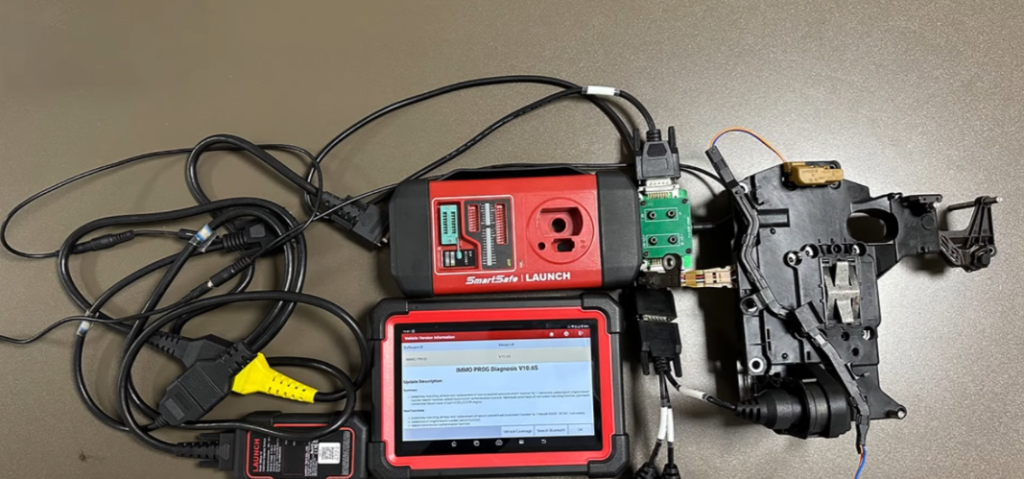
Engaging professional services for gearbox cloning is crucial to ensure accuracy and reliability. Certified technicians use specialized equipment and software to read and copy data from the existing GCU to the new unit. These professionals have the expertise to handle complex electronic systems and ensure the cloned unit functions flawlessly. Regular diagnostics and maintenance by these experts can further enhance the longevity and performance of your gearbox, delivering a smooth and efficient driving experience.