Category: Repairs

Your EV’s Lithium Battery Needs Repairs? Don’t Do It Yourself

Understanding the Complexity of Lithium Batteries

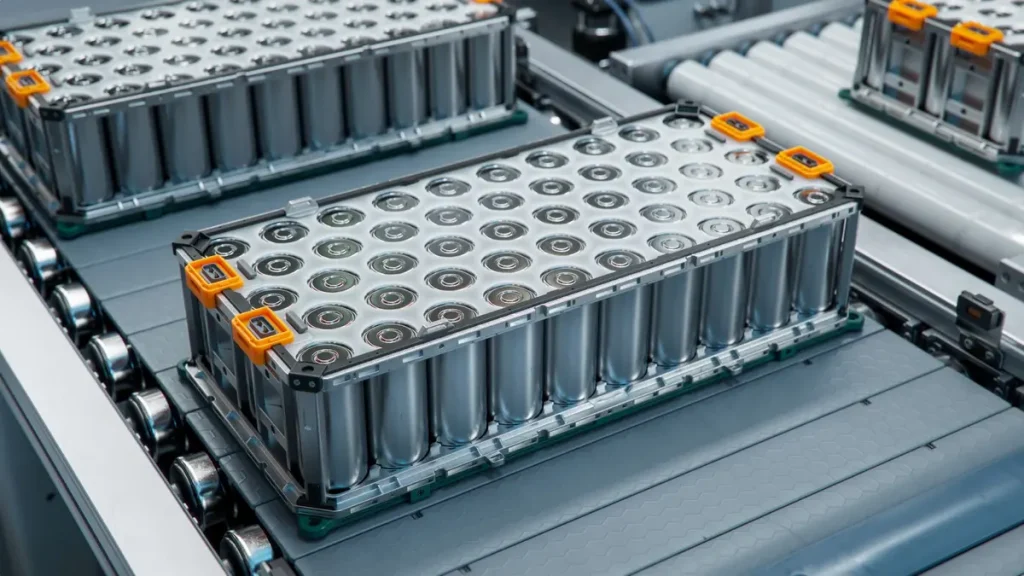
Electric Vehicles (EVs) have revolutionized the automotive industry, offering sustainable and efficient transportation. Central to their functionality is the lithium battery, which provides the necessary power for your EV. Unlike conventional car batteries, lithium batteries are highly complex and sophisticated. This complexity makes them challenging to repair and requires a deep understanding of their chemistry, technology, and safety protocols.
Risks Associated with DIY Battery Repairs

Attempting to perform lithium battery repairs on your own can be fraught with risks. These batteries are sensitive to mishandling and can release hazardous chemicals or catch fire if damaged. Incorrect repairs can lead to short-circuiting, overheating, or even exploding batteries, posing severe dangers to both the vehicle and personal safety. Additionally, DIY repairs often void warranties, which can be costly should professional intervention become necessary later.

Why Professional Expertise is Crucial

When it comes to a lithium battery repair, professional expertise is not just beneficial—it’s essential. Certified technicians have the training and equipment required to safely and effectively repair or replace lithium batteries. They adhere to strict safety standards and use specialized tools to manage the high voltage and energy density of these batteries. Their qualifications ensure that the repairs will restore your battery’s functionality without compromising safety.

The Role of Advanced Diagnostic Equipment

Modern EVs come equipped with intricate battery management systems that monitor the health and performance of lithium batteries. Diagnosing issues within these systems often requires advanced diagnostic equipment. Professional repair facilities have access to such technology, enabling them to accurately pinpoint problems and apply the correct fixes. This precision reduces the risk of further damage and extends the life of your battery.

Long-Term Benefits of Professional Repairs

Investing in professional lithium battery repairs has long-term benefits for both your EV and your peace of mind. Proper repairs can significantly extend the battery’s lifespan, enhancing the overall performance and efficiency of your vehicle. Moreover, professional technicians provide warranties on their work, offering you protection and reassurance should any issues arise post-repair. In the long run, this can save you substantial costs compared to the potential expenses of failed DIY attempts.

Safety First: Always Choose Professional Repairs

The intricate nature and inherent risks associated with lithium battery repairs makes it important to seek professional assistance. By doing so, you ensure the safety, reliability, and longevity of your EV’s power source. Trusting certified technicians to handle repairs protects you from the hazards of DIY attempts and guarantees that your EV remains in optimal condition, ready to deliver the sustainable performance you depend on.

Are EVs Harder Or Easier To Repair Than Gas-Powered Cars?

Simplified Powertrains in Electric vehicles Offer Advantages

Electric vehicles (EVs) have a significantly simpler powertrain compared to their gas-powered counterparts. Unlike traditional internal combustion engines (ICEs), which have a myriad of moving parts including pistons, crankshafts, and timing belts, Electric vehicles typically feature a streamlined powertrain consisting of an electric motor, a battery pack, and an inverter. This reduction in complexity translates to fewer components that can wear out or malfunction, potentially making repairs easier and more straightforward.

EVs Require Specialized Knowledge and Training

While the powertrains in Electric vehicles are simpler, the nature of the repairs they require can be quite different. Electric vehicles rely heavily on advanced electronics and software, which demands specialized knowledge and training that may not be as prevalent among traditional mechanics. The high-voltage systems present in Electric vehicles also introduce unique safety concerns, necessitating special equipment and protocols that can add layers of complexity to the repair process.

Cost of Repairs and Availability of Parts

The cost of repairs for Electric vehicles can be a point of contention. On one hand, fewer moving parts and a simpler powertrain might suggest lower maintenance costs over the vehicle’s lifetime. However, the specialized components that are unique to electric vehicles, such as battery packs and electric motors, can be expensive to replace or repair. Additionally, because EVs are a relatively new technology, the availability of parts may not be as widespread, potentially resulting in longer wait times for repairs.

Diagnostic and Troubleshooting Differences

Advances in diagnostic technology play a critical role in the ease of repairing both Electric vehicles and gas-powered cars. Electric vehicles often feature sophisticated onboard diagnostics systems that can more accurately pinpoint issues and provide real-time data to mechanics. This can make identifying and rectifying problems quicker and more efficient. Conversely, ICE vehicles might require more manual diagnostic processes, which can be time-consuming and less precise. This diagnostic advantage could tip the scale in favor of EVs when it comes to repair ease.

The Future of Vehicle Repairs

As the automotive industry makes significant strides towards electrification, the question of whether EVs are harder or easier to repair will evolve. Improvements in battery technology, greater availability of specialized training, and the increasing prevalence of EV-centric repair shops will likely simplify the repair processes for electric vehicles over time. As consumers and the market adapt to these changes, the perceived difficulties associated with EV repairs may become less significant.

In conclusion, while EVs present both challenges and advantages in terms of repairs, the overall trend suggests a shift towards greater ease and efficiency with time. The simplicity of the powertrain, advancements in diagnostics, and growing expertise in the field are likely to make EV maintenance increasingly manageable.