
Understanding the Concept of an Electronic Powertrain
The term powertrain refers to the mechanisms in a vehicle that generate power and deliver it to the road surface. Traditionally, this encompasses the engine, transmission, driveshafts, differentials, and the final drive. But with the rise of electric vehicles (EVs), the landscape of automotive design has transformed significantly. Electronic powertrains are becoming integral to modern cars, offering a blend of efficiency, reduced emissions, and enhanced performance.
The Components of Electronic Powertrains
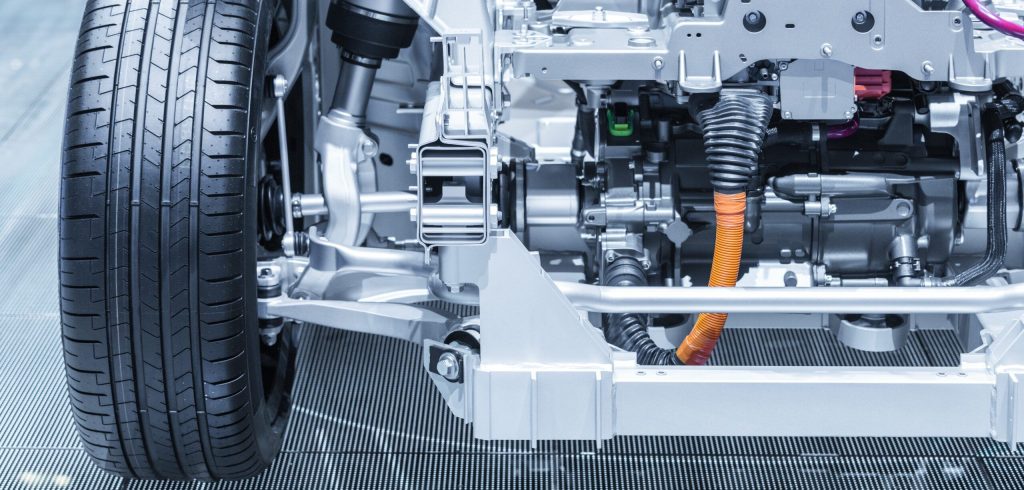
An electronic powertrain consists of several sophisticated components: electric motors, a battery pack, a power inverter, and a controller. The electric motor replaces the internal combustion engine, converting electrical energy from the battery pack into mechanical motion. The power inverter translates DC power from the battery into AC power, which the electric motor uses to drive the vehicle. The controller manages the power flow and ensures optimal performance and efficiency. Each component works in harmony to deliver seamless acceleration and deceleration without the traditional mechanical complexities of internal combustion engines.
Advantages of Adopting Electronic Powertrains
Electronic powertrains offer numerous advantages over their traditional counterparts. One of the most notable benefits is the elimination of tailpipe emissions, making electric vehicles environmentally friendly. Additionally, they deliver instant torque, providing a smooth and rapid acceleration experience. The simplified mechanical design of EVs reduces maintenance needs and enhances reliability, eliminating the need for oil changes, exhaust system repairs, and more. Furthermore, the regenerative braking system captures kinetic energy during braking, converting it back into electrical energy to recharge the battery, thus extending the vehicle’s range.
Challenges of Electronic Powertrain Implementation
Despite the benefits, several challenges hinder the widespread adoption of electronic powertrains. One major obstacle is the limited range of electric vehicles compared to traditional gasoline-powered cars. Although battery technology is advancing, achieving comparable range remains a challenge. Additionally, the availability of charging infrastructure is crucial; without adequate public charging stations, long-distance travel can be impractical. The initial cost of EVs can also be a deterrent for some consumers, although long-term savings on fuel and maintenance can offset this expense.
Future Outlook for Electronic Powertrains
As technology advances, the future of electronic powertrains looks promising. Continuous improvements in battery technology are expected to enhance energy density, driving range, and charging times. Governments worldwide are incentivizing the adoption of electric vehicles through subsidies, tax breaks, and investments in infrastructure. Furthermore, automotive manufacturers are expanding their EV lineups, offering more options across various price ranges to appeal to a broader audience. The shift towards electronic powertrains is likely to accelerate, paving the way for a more sustainable automotive future.
